Tent · FamilyPlot 1 of 8
Innovative Uses of Digital Signage in Pediatric Healthcare Facilities
- Pinned on
- Runs for
- 2 min
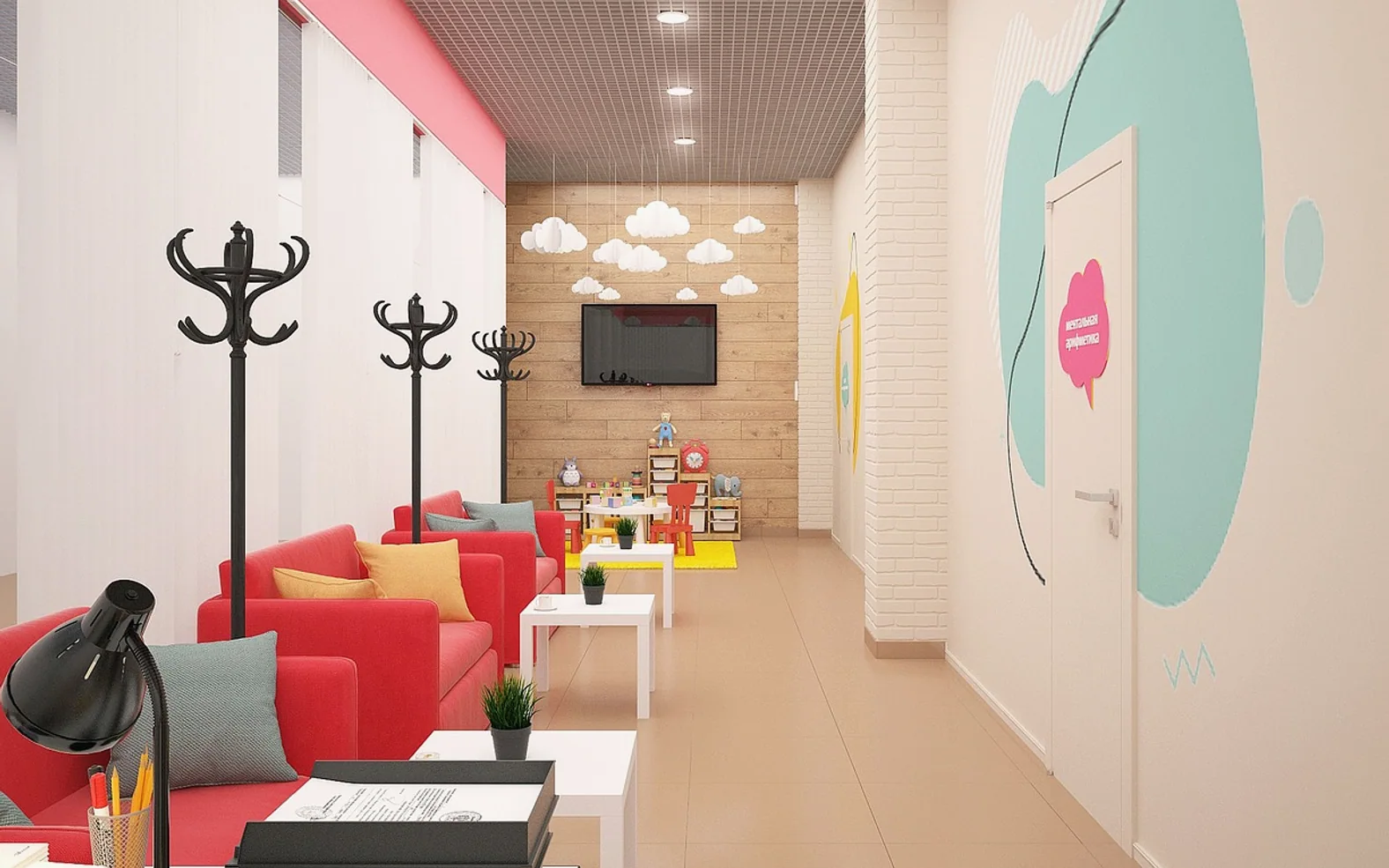
Any parent who has carried a nervous toddler through a hospital corridor knows how long those few minutes can feel. Signs written for adults, unfamiliar sounds and the wait before an appointment all add up. Children's hospitals and clinics have been rethinking that experience, and screens on the walls have become one of their more flexible tools.
Finding the way without the stress
Large buildings with several wings are confusing even for grown-ups. Touchscreen maps at entrances and lift lobbies let families tap a department and see a simple route, sometimes with a friendly character pointing the way. Colour-coded paths that match the floor markings make it easier for an older child to help lead the way, which can turn an anxious walk into a small game.
Clinics that plan these systems usually start with durable digital signage monitors sized for each spot, because a bright, clear screen at the right height is what makes the content work for both parents and children.
Explaining what happens next
Children cope better when they know what to expect. Short animations in waiting areas can show, in gentle and simple terms, what a check-up, a blood test or an X-ray involves. These clips do not replace a conversation with the care team, but they give families a starting point and a few words to use when questions come up. Screens can also share everyday health messages, such as handwashing and staying active, in a style that suits young viewers.
Making the wait shorter
Waiting is often the hardest part of a visit. Displays can help in a few practical ways:
- showing an estimated wait or a queue position so parents can plan a snack or a toilet trip;
- playing calm cartoons, nature scenes or simple interactive games;
- sharing visiting hours, parking reminders and practical notices;
- switching content by area, so a teen lounge looks different from the toddler corner.
Content for different age groups matters. Small children respond to bright characters and music, while teenagers tend to prefer something that does not feel babyish, such as quizzes, music or short documentaries.
Celebrating milestones
Some units use screens to mark achievements, such as the end of a course of treatment or a birthday spent on the ward, always with the family's permission. Staff can be thanked publicly too. These small moments help a clinical space feel more like a community, which families often remember long after the visit.
Getting the details right
Good intentions only go so far if the setup is careless. Facilities usually think about privacy first, so no patient names appear without consent. Volume needs to suit a calm environment, screens should be cleaned as regularly as any other surface, and content should be reviewed by clinical staff before it goes live. Accessibility also counts: captions, clear fonts and simple language help parents who are tired, stressed or reading in a second language.
None of this changes the medical care itself, and families should always take their questions to the doctors and nurses involved. What thoughtful signage can do is soften the edges of a difficult day, making the building easier to move through and the wait a little lighter for everyone.
Got a topic idea?
A short note is enough.