Tent · FashionPlot 1 of 5
Under-Dress Solutions: How to Choose Shapewear to Wear Under a Dress Without Guesswork
- Pinned on
- Runs for
- 3 min
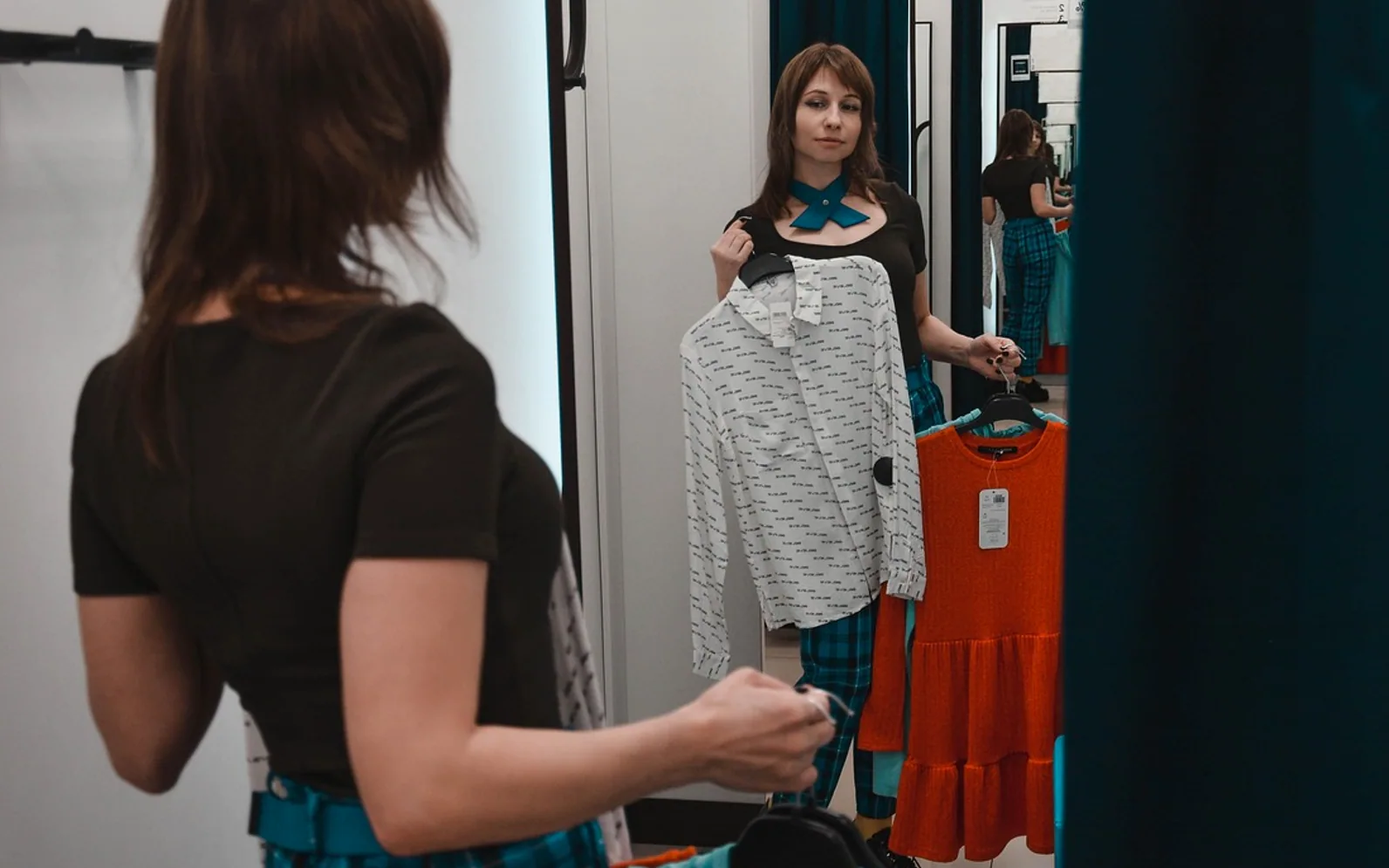
A dress that looked perfect on the hanger can behave very differently after an afternoon of walking, sitting and dancing. Most of the fixes happen underneath. The right base layer stops fabric from clinging, keeps hems from riding up and lets a seam sit where the designer intended. The wrong one rolls at the waist, prints a line across the thigh or simply gets too warm by the second hour.
Read the dress before you shop
Lay the dress flat and look at three things: where it shows skin, where it touches the body and how thin the fabric is. A low back rules out anything with a tall back panel. Bias-cut satin reveals every edge, so smooth, bonded hems matter more than strong compression. Structured crepe or a fully lined dress hides almost everything, which usually means a lighter piece will do. Jotting these notes down takes a minute and saves a lot of trying on.
Pairing pieces with common cuts
| Dress shape | Base layer that often works | Reason |
|---|---|---|
| Fit-and-flare | High-waist or mid-thigh shorts | Evens out the waist where the bodice ends while the skirt covers the leg |
| Bodycon knit | Seamless full slip or long-leg shorts | Stops cling and keeps the surface level from bust to hem |
| Wrap dress | Plunge-front bodysuit | Holds the torso steady when the wrap shifts during the day |
| Backless or cut-out | Strapless body, or targeted shorts alone | Leaves visible areas free of straps and panels |
Treat these pairings as starting points rather than rules. Fabric weight and the type of occasion can easily change the answer.
Control level, comfort and the length of the day
Packaging usually grades support from light to firm. Lighter grades even out the surface, while firmer grades change the outline and ask more of the wearer. For a summer garden party or a long day outdoors at a fair, light or medium support is easier to live with because it breathes, moves and does not dig in when you sit. Firm pieces can suit a short evening event in a closely fitted gown, though even then a size that genuinely fits beats one squeezed down a size. If a piece leaves deep marks after a quick try-on, several hours in it will feel worse.
Material matters as much as compression. Microfibre blends glide under knits, cotton gussets add comfort and mesh zones release heat on warm afternoons. Anyone with sensitive skin may want to check the fibre content before buying.
Colour, edges and a dress rehearsal
A shade close to your own skin tone usually disappears better than plain white under pale or sheer fabric. Then run a full rehearsal at home: dress, shoes and base layer together. Sit down, climb a few stairs, raise your arms and check the back in a mirror. Watch for a rolling waistband, lines at the leg opening and straps peeking out at the neckline.
Style choices shift over the years, and a thoughtful read on picking shapewear to wear under a dress frames wardrobe decisions as something that develops with you, which makes it easier to update the drawer without starting from scratch.
Small habits that help on the day
- Wash new pieces once before the event so the fabric settles.
- Pack a spare in a tote if the celebration runs into the evening.
- Choose separates over a full body if quick bathroom breaks matter.
- Hand-wash or use a mesh bag so elastic keeps its shape for longer.
Got a topic idea?
A short note is enough.