Tent · EventsPlot 11 of 11
Seoul Festivals Through the Year
- Pinned on
- Runs for
- 5 min
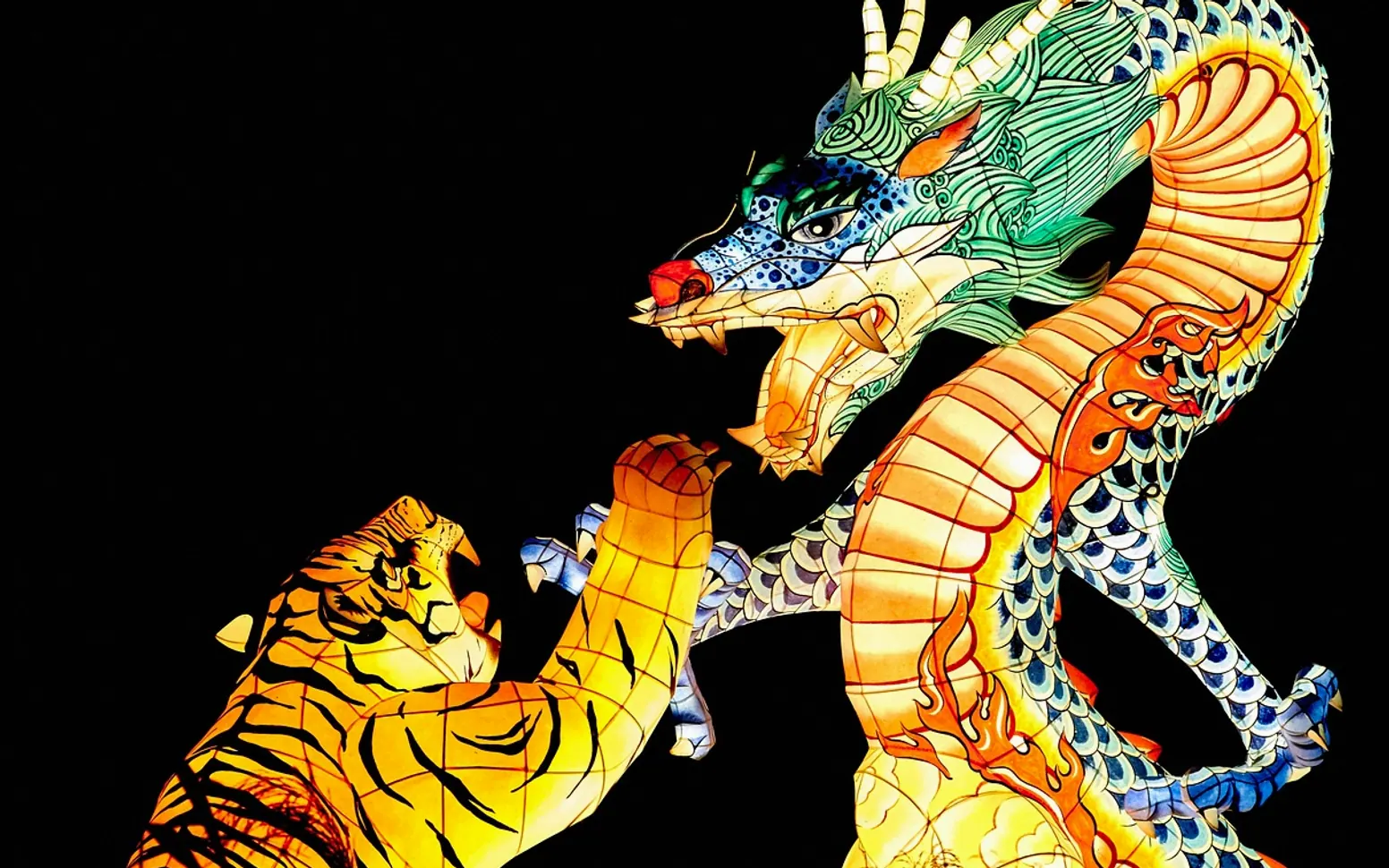
Whenever you land in Seoul, there is a good chance something is being celebrated. The city's calendar moves from cherry blossom walks in spring to lantern parades, open-air river evenings in summer, fireworks over the Han in autumn and illuminated streets in winter, with food and culture festivals scattered in between. Exact dates shift from year to year, so treat this as a map of what to look for and confirm the details in official listings before you book anything.
The festival year at a glance
| Season | Typical events | What to plan for |
|---|---|---|
| Spring | Blossom festivals along streets, parks and riverbanks | Weekend crowds, changeable weather, short bloom windows |
| Late spring | Lantern festival linked to Buddha's Birthday | Parade routes, road closures, evening chill |
| Summer | River events, outdoor concerts, night markets | Heat, humidity and sudden rain |
| Autumn | Fireworks over the Han, food and culture festivals | Very large crowds, early arrival, packed subways |
| Winter | Light displays, seasonal markets, festive streets | Cold evenings, icy paths, shorter daylight |
Spring: blossoms everywhere
When the cherry trees open, Seoul turns pink almost overnight. Several districts hold blossom festivals along tree-lined roads and riverside paths, often with stalls, small stages and evening lighting. Yeouido and the lakeside paths around Seokchon are well-known spots, and quieter neighbourhood streams can be just as pretty with far fewer people.
The bloom is brief and depends on the weather, so forecasts published closer to the season are more useful than any fixed date. Weekday mornings are the calmest time to walk under the trees.
Late spring: the lantern festival
In the weeks around Buddha's Birthday, the city fills with lanterns. Temple courtyards are hung with colourful paper lights, and a lantern parade through the centre of the city is one of the most photographed events of the year. Alongside it, there are often cultural experiences such as lantern making and traditional performances.
Temples are places of worship, even on festival days. Keep your voice low in their grounds, follow any signs about photography and step aside for people who are there to pray.
Summer: evenings by the river
Hot days push festival life into the evening. The Han River parks host outdoor concerts, film screenings, night markets and water-themed events, and simply sitting on the grass as the bridges light up is part of the appeal. Expect sticky heat and the occasional heavy shower during the rainy season; a compact umbrella and a refillable water bottle are worth carrying.
If you are travelling with children, our guide to taking kids to a festival covers meeting points, rest breaks and ear protection, all of which apply to river events too.
Autumn: fireworks and food
Autumn brings the clearest skies of the year and some of the largest gatherings. A fireworks festival over the Han draws huge crowds to the riverbanks, many of whom arrive hours early to claim a patch of grass. Food festivals, traditional culture events and street performances also cluster in this season, when the weather is mild enough to spend a whole day outdoors.
For large fireworks nights, think about the end of the evening as much as the start. Stations near the main viewing areas can become extremely crowded once the show finishes, so walking to a station further away or waiting a while before leaving often makes the trip home much easier.
Winter: lights and seasonal markets
Cold weather does not empty the calendar. Light displays appear along streams, plazas and shopping streets, and some areas set up seasonal markets with warm snacks and small gifts. Evenings can be properly cold, so layers, gloves and a hat make the difference between a pleasant stroll and a quick retreat indoors. Our notes on what to wear to a music festival include layering ideas that work just as well on a frosty night out.
Planning around crowds, transport and weather
Most Seoul festivals are free to attend, which is exactly why they get busy. A little preparation goes a long way:
- Check official listings. City and district tourism pages announce dates, programmes and any changes; schedules can move because of weather or safety decisions.
- Use the subway. Roads near festival sites are often closed or jammed, while trains keep running. Keep your transit card topped up to avoid queues at machines.
- Agree on a meeting point. Mobile signal can struggle in dense crowds, so pick a landmark in advance.
- Pack for the forecast. Sun cream and water in summer, a waterproof layer in the rainy season, warm layers in winter.
- Follow staff directions. Crowd control teams manage one-way routes and exits at the biggest events.
Where to eat and unwind afterwards
After hours on your feet, a sit-down meal is welcome. Neighbourhoods a few stops away from the festival site tend to have shorter waits than the streets right beside it. Many visitors head south of the river to Gangnam, where late-opening restaurants and private karaoke rooms make it easy to keep the group together after the main event.
A karaoke room is a relaxed way to end a festival day: you get a private space, comfortable seating and a chance to sing through the songs you heard earlier. For an overview of how these rooms work in that part of the city, readers can check Gangnam Karaoke before heading over. If drinks are part of the evening, pace yourself and plan a sober ride or the last train home.
Frequently asked questions
Are Seoul festivals suitable for visitors who do not speak Korean?
Generally, yes. Much of the appeal is visual, and larger events often provide some signage or information in English. A translation app helps with menus and announcements.
Do I need tickets?
Many outdoor festivals are free, but some programmes, reserved seating areas or workshops may need advance registration. The organiser's official page will say what applies.
When should I arrive?
For popular evening events, arriving well before the main programme gives you time to find a spot, eat something and learn the exits before the crowds build.
Got a topic idea?
A short note is enough.