Tent · FamilyPlot 10 of 10
TV Time Across Generations: Shows Kids and Grandparents Can Share
- Pinned on
- Runs for
- 4 min
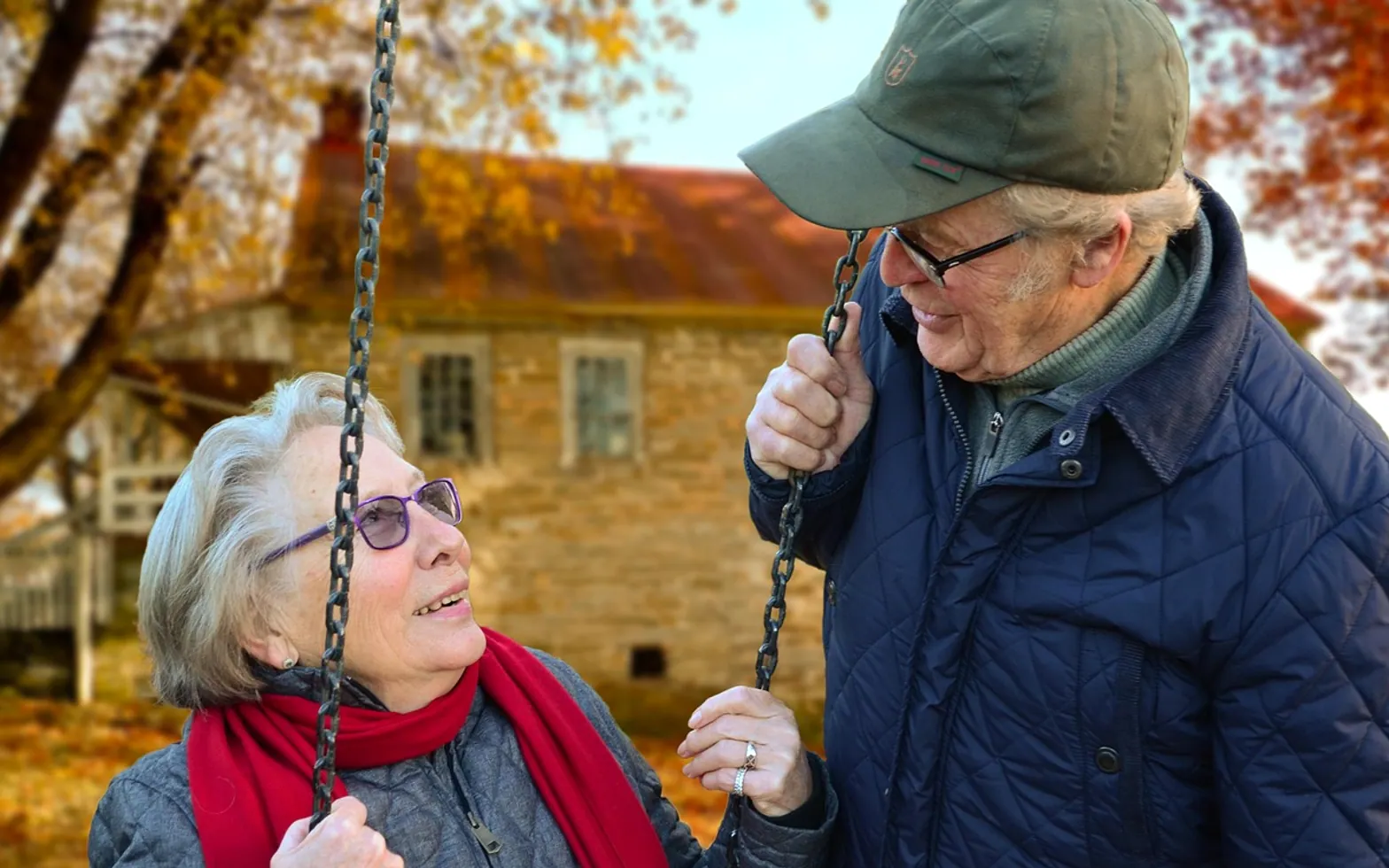
The programmes that bring children and grandparents together tend to share three traits: they are easy to follow at any age, they leave room for talking, and nobody needs to know the backstory. Nature films, game shows, baking and craft contests, live sport and older family films all fit that pattern. Pair one of those with the right volume, clear subtitles and a fair way of taking turns, and a quiet afternoon in front of the television becomes something the whole family remembers.
What makes a show work for every age
A ten-year-old and a grandmother may not agree on much, but both appreciate a story that does not rush. Programmes with a clear structure, likeable people and a satisfying ending suit mixed ages far better than fast-cut drama or anything that relies on in-jokes. Gentle humour helps too: if both generations laugh at the same moment, the show has done its job.
It is also worth thinking about what each person brings. Grandparents often have stories, practical knowledge and long memories. Children bring curiosity and endless questions. The best shared viewing gives both a chance to show off a little.
Five kinds of programme to try
| Type of show | Why it bridges the ages | Something to talk about afterwards |
|---|---|---|
| Nature documentaries | Calm narration, striking footage and no plot to keep track of | Which animal surprised you most, and could you spot it near home? |
| Game shows and quizzes | Everyone can shout answers, and older viewers often know the trivia | Keep a family scoreboard for the week |
| Baking and craft competitions | Friendly contestants, visible skill and a winner at the end | Try a simple version of one bake or project together |
| Live sport | Shared excitement and natural breaks for snacks and questions | Grandparents explain the rules; children pick a team to follow |
| Classic family films | Grandparents may remember them from the first time round | What was going to the cinema like back then? |
Setting up the room so everyone can follow
Small practical details make a big difference when ages and hearing vary. Seat older relatives nearest the screen and in the most comfortable chairs, with a clear line of sight. Turn on subtitles: they help anyone who finds dialogue hard to catch, and they quietly give young readers some practice. If the volume that suits one person is too loud for another, a soundbar or a set of headphones for the grandparent can settle the matter without anyone having to shout.
Lighting matters too. A lamp to the side of the room reduces glare and makes it easier for older eyes to move between the screen and the people around them. Keep the remote where everyone can reach it, and show grandparents the buttons for pause, subtitles and volume so they never feel stuck.
How can grandparents join in from another city?
Watching the same programme at the same time and chatting on a phone or video call during the breaks works surprisingly well. Agree on the start time in advance, especially if you live in different time zones across Canada, and keep the call on speaker so the children can chime in. Families who watch live channels over the internet sometimes compare providers such as iptvscanada.ca so that relatives in different provinces can tune in to the same broadcast at once.
Taking turns without arguments
Disputes over the remote are as old as television itself. A simple rota avoids most of them. Some families give each person one pick per week; others alternate between a "young" choice and an "old" choice. The rule that matters most is that whoever is not choosing agrees to give the pick an honest try for at least fifteen minutes.
- Write the rota on a card by the TV so nobody has to remember whose turn it is.
- Let the person choosing introduce the show and say why they like it.
- Allow one veto per month for anything that is genuinely not suitable for the youngest viewer.
- Check age ratings and descriptions beforehand, particularly for older films.
Why talk during the show at all?
Watching together is not the same as sitting silently in the same room. A short pause to ask a question, or a chat over a snack afterwards, turns the programme into a shared experience. Grandparents might talk about how a recipe was made in their own kitchen; a child might explain why a particular animal is their favourite. Those small exchanges are often what everyone remembers.
Keeping screen time in balance
TV is one part of a good visit, not the whole of it. Plan the viewing as a set block, then move on to something active. A walk around the block to spot birds after a nature programme, a quick card game after a quiz show, or an hour in the kitchen after a baking contest all keep the connection going away from the screen. Our list of family weekend ideas for sunny, grey and rainy days has plenty of options for the rest of the day, from indoor crafts to short outings that suit slower walkers and small legs alike.
Watch for cues, too. If a grandparent is tiring or a child is restless, end the session early. A shorter viewing that ends on a high note is better than a long one that drags.
Building your own family tradition
Over time, shared TV can become a small ritual: the Saturday quiz with a scoreboard on the fridge, the nature film that always comes with hot chocolate, the classic film saved for the first snowy evening. None of it needs special equipment or careful planning. It fits neatly into a weekly rhythm such as a calm Sunday reset routine, and it only needs a programme everyone can enjoy, a room set up so each person can see and hear, and a willingness to switch off and talk about it afterwards.
Got a topic idea?
A short note is enough.