Tent · EventsPlot 12 of 13
How to Taste Wine: A Simple Method for Your First Tasting
- Pinned on
- Runs for
- 5 min
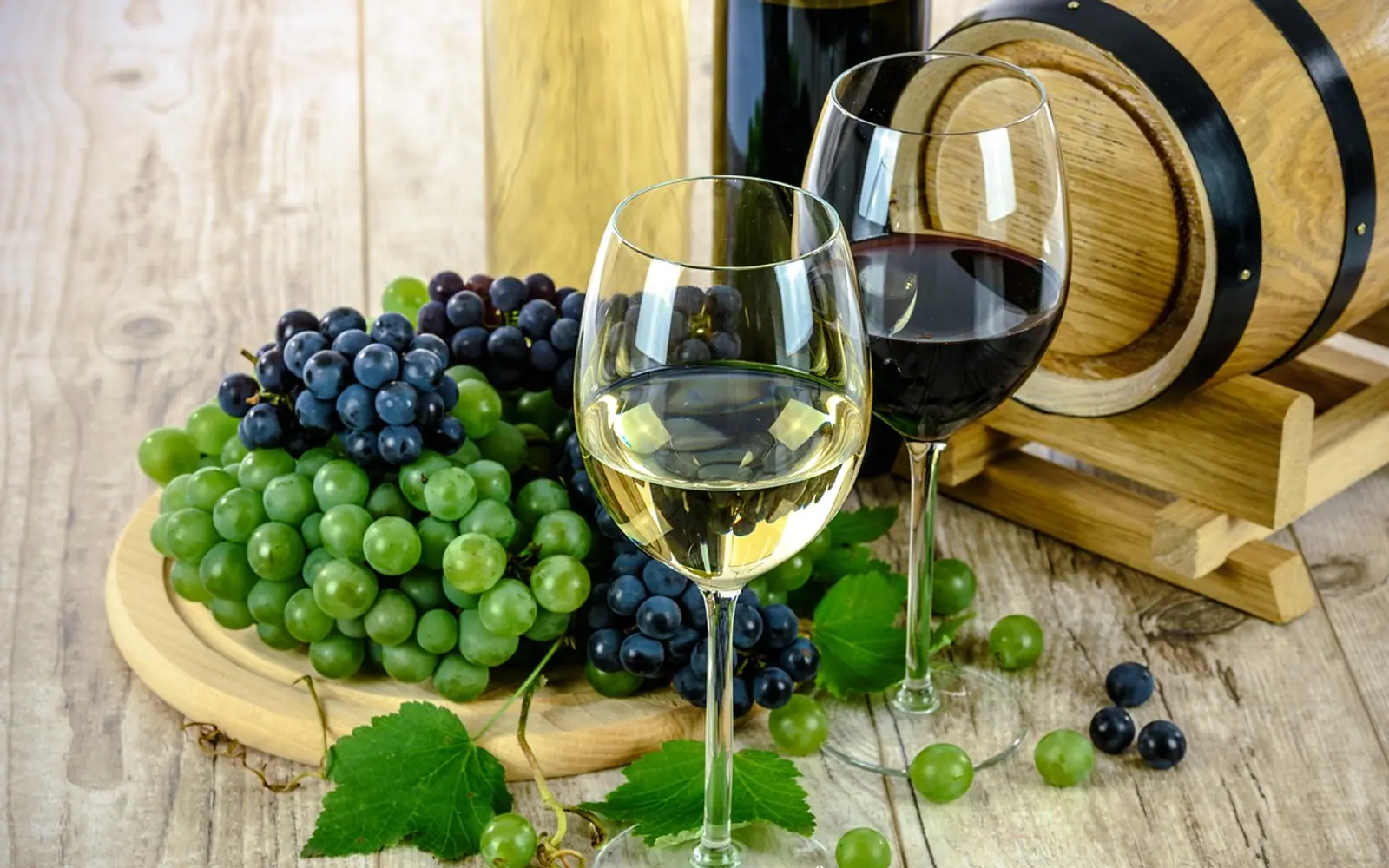
Picture a long wooden counter, six small pours lined up in front of you and someone behind the bar asking what you think of the second one. Most people freeze at that question. They suspect there is a correct answer, full of words like "gooseberry" and "graphite", and that they are about to get it wrong.
There is no correct answer. Tasting wine is simply paying closer attention than you would with a glass at dinner. A short routine helps, because it slows you down long enough to notice something, and noticing is the whole skill. The method below works the same way at a vineyard cellar door, a wine shop evening or a tasting you set up at home with friends.
The five steps
Wine educators phrase it in different ways, but nearly every version comes down to the same sequence. Give each step a few seconds; the whole thing takes less than a minute per wine.
- Look. Tilt the glass over something white, such as a napkin or a sheet of paper, and look at the colour from the centre to the rim. Whites run from almost water-clear to deep gold; reds from purple-tinged ruby to brick and tawny. Deeper or browner tones often point to age or to wood, while a bright, pale rim tends to suggest a younger wine.
- Swirl. Keep the base of the glass on the table and move it in small circles. Swirling draws air into the wine and lifts its aromas, which is why tasting glasses are only ever filled a little way up.
- Smell. Put your nose right into the glass and take a couple of short sniffs rather than one deep breath. Then pause, swirl again and smell once more. Much of what we call taste actually arrives through the nose, so this is the step that tells you most.
- Sip. Take a modest mouthful and let it cover your whole tongue before you swallow or spit. Some people draw a little air in over the wine, which sounds odd but spreads the flavour further.
- Think. Once the wine has gone, notice what remains. Is the flavour gone at once, or does it linger? Did you enjoy it? That last question is the one that matters most when you are deciding what to buy.
What to look for when you smell
Beginners often say they smell "wine" and nothing else. That is normal. It helps to search for broad families first and narrow down only if something jumps out.
| Aroma family | Examples people often name | Where you might meet it |
|---|---|---|
| Fruit | Lemon, apple, peach, cherry, plum, blackcurrant | Almost every wine, especially young ones |
| Flowers and herbs | Blossom, rose, cut grass, mint | Many aromatic whites and lighter reds |
| Spice and wood | Vanilla, toast, clove, pepper | Wines aged in oak barrels |
| Earth and savoury | Mushroom, leather, wet leaves, dried herbs | Older reds and some mature whites |
| Bread and nuts | Brioche, biscuit, almond | Traditional-method sparkling wines |
If a wine smells of damp cardboard or a musty cellar, it may be "corked", a fault caused by a contaminated closure. In a tasting room, it is perfectly fine to mention it; staff would rather know.
A few words that make the conversation easier
You do not need a vocabulary list to enjoy wine, but a handful of terms helps you say what you liked and get a better recommendation next time.
- Dry or sweet: how much sugar you sense. Most table wines are dry, which simply means not sweet.
- Acidity: the fresh, mouth-watering quality. High-acid wines feel crisp; low-acid ones feel soft or round.
- Tannin: the drying, slightly gripping feeling on your gums and tongue, found mainly in red wines and similar to strong black tea.
- Body: how heavy the wine feels in the mouth, from light like skimmed milk to full like cream.
- Finish: how long the flavour lasts after the wine has gone.
Sparkling wine adds one more element, the texture of the bubbles, which can feel fine and creamy or large and frothy. If a bottle of fizz is on the cards for a celebration, the decisions behind choosing a champagne style and reading sweetness labels make more sense once you have tasted a few side by side.
Order matters
At an organised tasting, the order is chosen for you, and there is a reason for it. Strong flavours can flatten whatever comes next, so the usual running order is:
- Sparkling before still
- White and rosé before red
- Light and dry before full and rich
- Sweet and fortified wines last
Between wines, a sip of water and a plain cracker or piece of bread resets the palate. Strongly flavoured snacks such as blue cheese or spicy nuts are lovely with a glass later, but they make careful comparison harder.
Tasting room etiquette
Cellar doors and wine-shop tastings are friendly places, and a few simple courtesies keep them that way.
- Skip perfume, aftershave and strongly scented hand cream on the day; they drift into everyone's glass.
- Use the spittoon or dump bucket without embarrassment. Spitting or pouring away the rest is normal, and it is how people stay clear-headed across a long flight of wines.
- Hold the glass by the stem so your hand does not warm the wine or smudge the bowl.
- Ask questions. Staff usually enjoy explaining how a wine was made, and "what would you drink with this?" is always welcome.
- Book ahead where the venue asks for it, and check opening times; many smaller producers only open on certain days.
Tastings are for adults of legal drinking age, and the small pours add up faster than they seem. Plan a designated driver, a taxi or public transport before you set off, and eat something first.
Making it a weekend outing
A wine region in autumn combines nicely with a scenic drive or a walk, and harvest time brings extra events at some estates. If you would rather not travel, a tasting at home works just as well: pick three or four bottles that differ in one way only, such as the same grape from different places, cover the labels with paper bags and compare notes before the reveal. It makes a relaxed evening for a few friends, and it fits neatly into a few days off at home, alongside the other staycation ideas for a holiday feeling close to home.
Whichever setting you choose, keep a small notebook or a note on your phone. Write the name of each wine and one or two words about it. After a handful of tastings, patterns appear, and you will find you know far more about your own preferences than you expected.
Got a topic idea?
A short note is enough.