Tent · FamilyPlot 6 of 8
Taking Kids to a Festival: A Calm Plan for a Big Day Out
- Pinned on
- Runs for
- 4 min
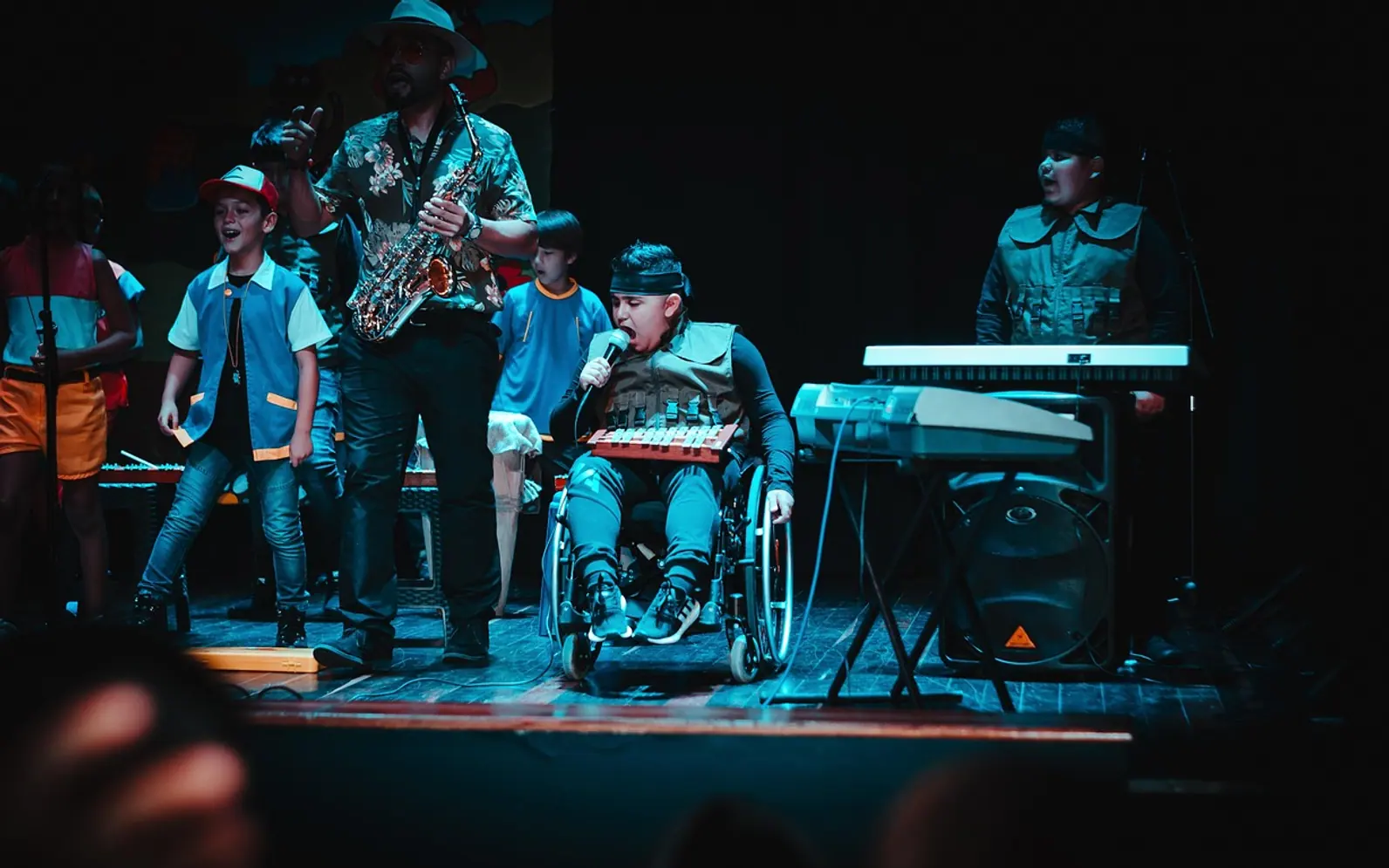
For a child, a festival can feel like stepping into another world: music drifting across a field, painted faces, giant puppets, food stalls and more people than they have ever seen in one place. For the adults, it can be a joy or a long, tiring day, and the difference usually comes down to preparation. With a bit of planning, a festival becomes a day the whole family talks about for months.
Choose the right festival
Not every event is built for children. Look for festivals that describe themselves as family-friendly and check what that means in practice. Good signs include:
- A dedicated children's area with activities, workshops or performances
- Quiet zones or chill-out spaces away from the main stages
- Baby-changing facilities and family toilets
- Clear rules on ages, tickets for children and whether pushchairs are allowed
- Daytime headliners, so the best acts are not all late at night
For a first outing, a single-day event close to home is often easier than a camping weekend. You can always build up to a longer trip once you know how your children cope.
Read the event information carefully
Before you buy tickets, read the festival's own information pages. Look at the site map, the opening times, the bag policy and the rules about food and drink. Check where the first-aid points and information tents are. Some festivals offer wristbands for children with space to write a parent's phone number; if they do, use them.
Protect little ears
Music at festivals can be loud, especially close to the speakers. Children's ears are sensitive, so bring ear defenders designed for children and make them part of the day from the start. Let them decorate the ear defenders or wear them for a few minutes at home beforehand, so they feel familiar rather than strange. Stand further back from the stage and take regular breaks in quieter areas.
Agree a plan if you get separated
Crowds can move quickly, and it is easy for a small person to slip out of sight. Before you go through the gate:
- Choose a clear meeting point, such as the information tent, and walk past it together.
- Show children what festival staff and stewards look like, and explain that they can ask them for help.
- Write your phone number on a wristband or on a card in their pocket.
- Take a photo of each child on the morning of the festival, so you have a picture of exactly what they are wearing.
- Dress children in something bright that is easy to spot from a distance.
Pack for a full day
| Item | Why it helps |
|---|---|
| Ear defenders | Protection near the stages and a calmer day overall |
| Sun cream, hats and water bottles | Long hours outdoors, often with little shade |
| Waterproofs and a warm layer | Weather can change quickly, and evenings get cool |
| Snacks you know they like | Queues for food can be long, and tired children get hungry fast |
| Wet wipes and hand gel | Sticky hands, portable toilets and picnic lunches |
| A blanket or small folding seat | A base for rest breaks and picnics |
| A pull-along wagon or pushchair, if allowed | Tired legs, bags and nap time |
Dress the grown-ups for comfort too. You will be on your feet, carrying bags and possibly a child, so sensible shoes matter. Our guide on what to wear to a music festival covers layers, footwear and the small bag essentials.
Pace the day
Children rarely last as long as adults at a festival. Plan a rhythm that mixes busy and calm:
- Arrive early, when queues are shorter and the site is quieter.
- Look at the programme together and let each child choose one thing they really want to see.
- Build in regular rest breaks with food, water and a sit-down.
- Use the children's area as a base you return to between bigger outings.
- Decide in advance roughly when you will leave, and give a warning before it is time to go.
Know when to call it a day
The best family festival days end before anyone is in tears. Watch for signs of tiredness, overstimulation or too much sun, and be ready to leave a little earlier than planned. Missing the last act matters far less than a calm journey home. If you are staying overnight, a quiet campsite area or nearby accommodation can make a big difference to everyone's sleep.
Keep the memories
Afterwards, let children choose a few photos to print, or stick the wristbands and programme into a scrapbook. Talking about the favourite moments on the way home often becomes part of the fun. For the quieter weekends in between, our list of family weekend ideas has plenty to keep everyone busy until the next big day out.
Got a topic idea?
A short note is enough.