Tent · TourismPlot 4 of 5
Leaf Peeping: How to Plan a Fall Foliage Trip at the Right Time
- Pinned on
- Runs for
- 4 min
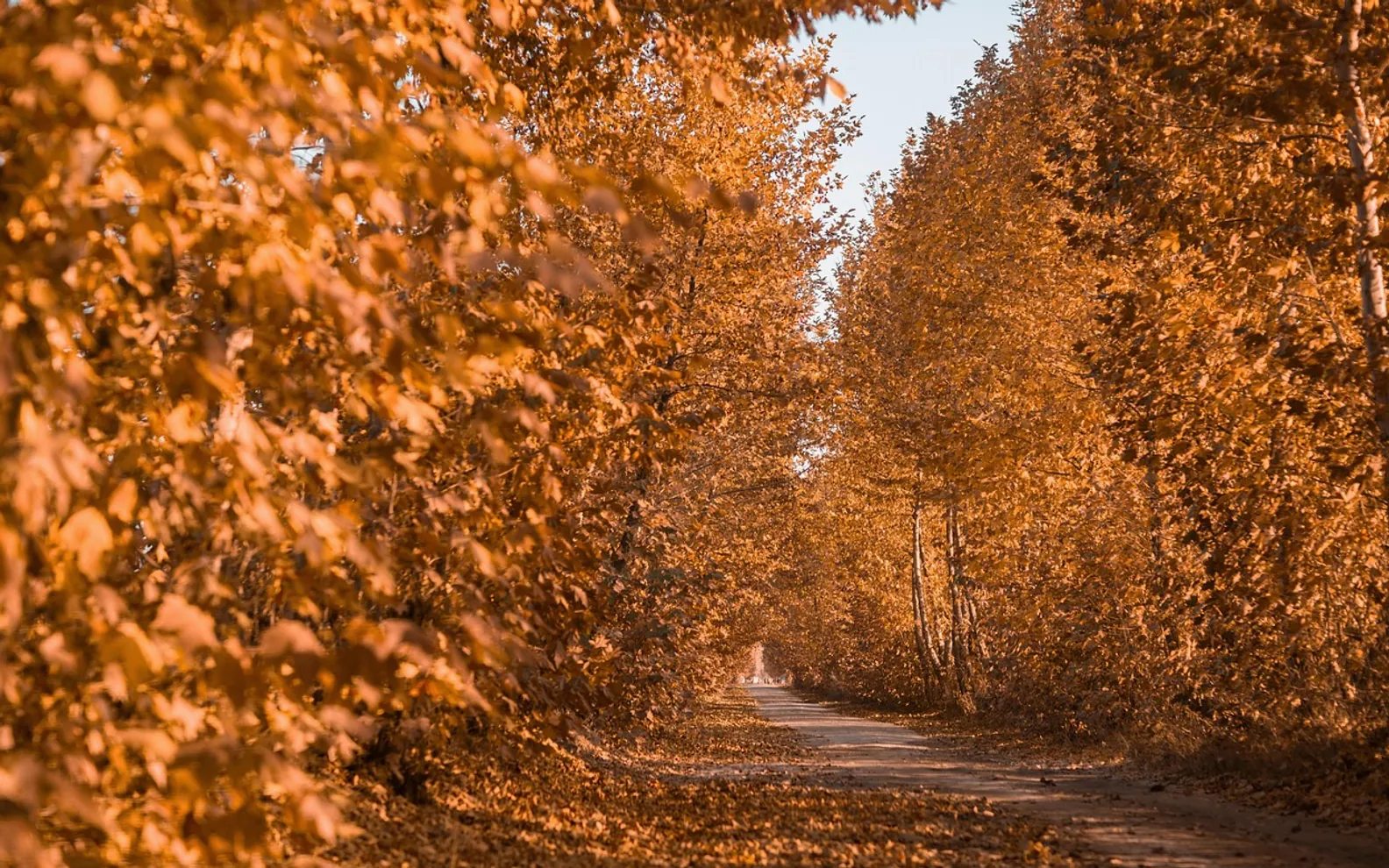
Leaf peeping is the habit of travelling to see autumn leaves at their most colourful. The trick is timing: colour arrives first in the north and at higher elevations, then works its way south and downhill over several weeks. Watch the regional foliage reports, keep your plans a little flexible, travel on a weekday or early in the morning if you can, and choose a route with places to stop safely. Do that, and a single weekend can show you hills of red, orange and gold.
The term is closely tied to New England, where autumn tourism is a season of its own, but leaf peeping works anywhere with broadleaf forests, from mountain parkways to a local river valley.
Why leaves change colour
Through spring and summer, leaves are green because of chlorophyll, the pigment that captures sunlight for the tree. As days shorten and nights cool, many trees stop making chlorophyll and it breaks down. That uncovers yellow and orange pigments, called carotenoids, which were present all along. Some species, especially certain maples, also produce new red and purple pigments, called anthocyanins, in autumn. Sunny days followed by cool, frost-free nights tend to encourage those reds.
Weather can shorten the show. A dry late summer, an early hard frost, or a storm with strong winds can turn leaves brown or strip them before they peak. That is why no two seasons look quite the same.
Which trees give which colours
| Tree | Typical autumn colour |
|---|---|
| Sugar maple | Bright orange, gold and red, often on the same tree |
| Red maple | Scarlet to deep red, sometimes yellow |
| Birch and aspen | Clear yellow |
| Oak | Russet, bronze and brown, often late in the season |
| Sweetgum | A mix of purple, red, orange and yellow |
| Larch (tamarack) | Golden needles, unusual for a conifer |
Mixed forests with maples, birches and oaks usually give the most varied views.
When to go
There is no single date for peak colour. In much of the northern United States, colour starts in late September and spreads through October, with southern regions and lower ground following later. Elevation matters as much as latitude: the top of a mountain can be past its best while the valley below is just turning.
To narrow it down:
- Check foliage reports. Many state tourism offices and forestry departments publish weekly colour updates and maps during the season.
- Aim for "near peak". Arriving slightly early gives a mix of green, yellow and red, and the trip still works if the weather turns.
- Plan around elevation. If one area has peaked, a lower valley nearby may be at its best.
- Stay flexible. A refundable booking or a short drive from home lets you move the date by a week.
Planning a foliage weekend
- Pick a base, not a marathon. One town with loops in different directions beats a long drive with no time to walk.
- Book early. Popular areas fill up on autumn weekends, so reserve lodging well ahead, or stay a little further out.
- Mix the views. Combine a scenic drive with a short hike to an overlook, a lake walk and a stroll through a small town.
- Consider the train. Scenic rail routes and heritage railways run special autumn services in some regions, and nobody has to keep their eyes on the road. Our train travel tips cover booking and seats.
- Pack layers. Mornings can be cold and afternoons warm. The mix-and-match approach of a travel capsule wardrobe keeps a weekend bag light.
- Add a harvest stop. Farm stands, cider mills and orchards are part of the season. Our guide to when apple picking season starts shows how to fit one in.
Taking better foliage photos
- Use soft light. Overcast days often make colours look richer than harsh midday sun.
- Shoot with light behind the leaves. Backlit leaves glow, especially in the early morning and late afternoon.
- Look for contrast. A white church, a red barn, dark water or evergreens make bright leaves stand out.
- Get close as well as wide. A single leaf on a wet rock can say as much as a whole hillside.
- Try a polarising filter. It reduces glare on leaves and water and deepens the colour of the sky.
Good manners on the road
Scenic back roads get busy in peak weeks, and residents still need to get to work. Pull fully off the road only where it is safe and legal, never block driveways or farm gates, and stay out of private orchards, fields and gardens unless they are open to visitors. Take litter home and keep to marked trails, which protects the very landscape people come to see.
Can you go leaf peeping without travelling far?
Yes. City parks, arboretums, cemeteries with old trees and riverside paths often have excellent colour. A local loop on a sunny afternoon fits neatly into any of our staycation ideas.
How long does peak colour last?
In any one spot, the brightest stage is often brief, from several days to about two weeks, depending on the weather. Across a whole region, the season runs much longer as colour moves from place to place.
Got a topic idea?
A short note is enough.