Tent · TourismPlot 5 of 5
When Is Apple Picking Season? Timing, Varieties and Orchard Tips
- Pinned on
- Runs for
- 4 min
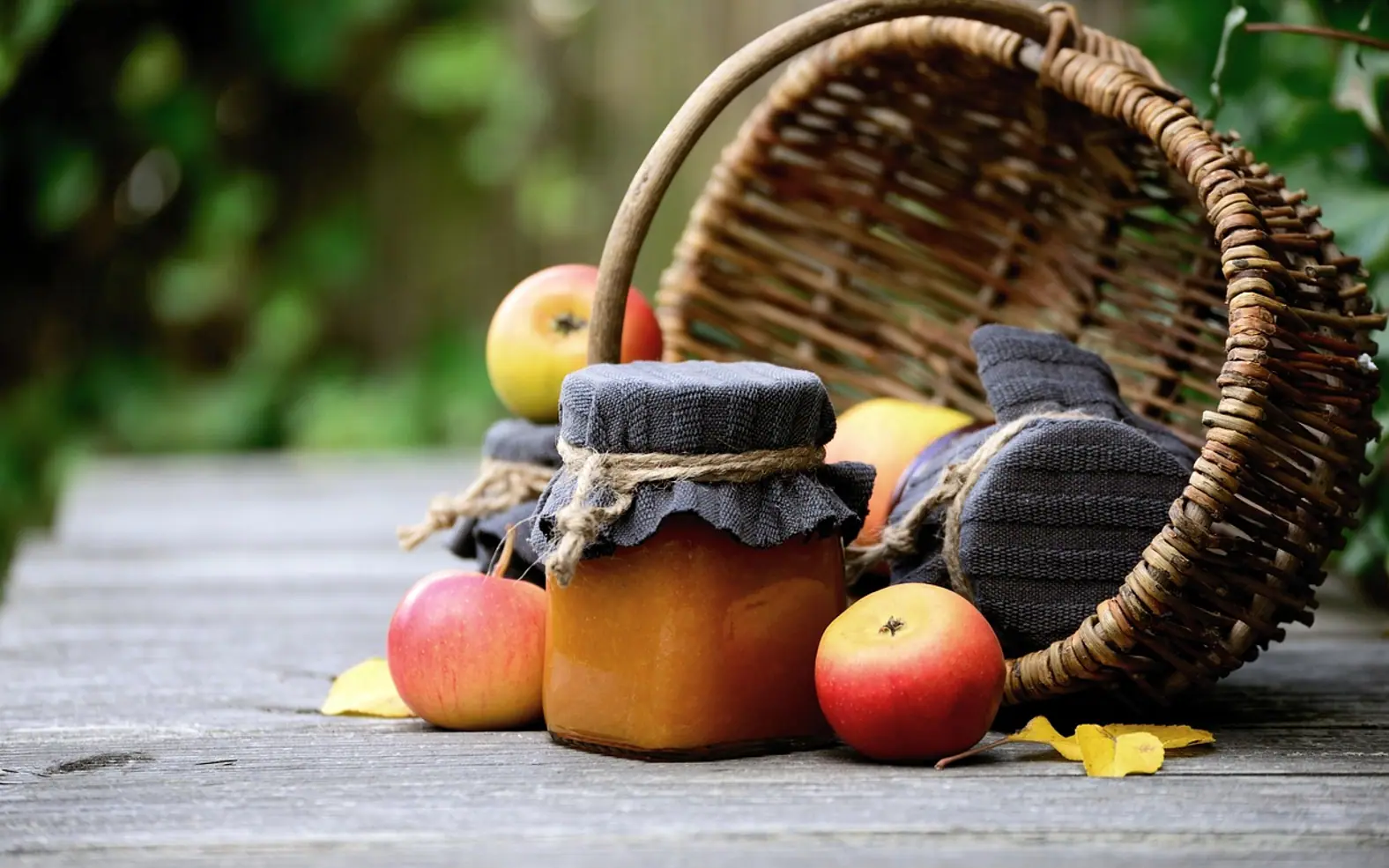
In much of the United States, apple picking season runs from about August to October, and in some places into early November. September and October are the busiest months at most pick-your-own orchards. Each variety ripens in its own short window, so the best time to go depends on which apples you want, where the orchard is and how warm the year has been. The orchard's own website or social media page is the most reliable guide, as many post what is ready to pick each week.
Early, mid and late varieties
Orchards often plant varieties that ripen one after another to stretch the season. Exact dates move with the region and the weather, but the general order is fairly steady.
| Stage | Example varieties | Rough timing | Good for |
|---|---|---|---|
| Early | Gala, Paula Red, early McIntosh strains | Late summer to early autumn | Eating fresh, lunchboxes |
| Mid | Honeycrisp, McIntosh, Cortland, Jonagold | Mid-season, often September | Snacking, sauce, salads |
| Late | Fuji, Granny Smith, Braeburn, Pink Lady | Later autumn, into October and beyond | Baking, storing for winter |
Warmer regions and warm years tend to run earlier; northern and high-elevation orchards often run later.
Planning the visit
- Check what is ready. Look at the orchard's updates on the morning you go. Popular varieties can be picked out quickly.
- Go early or on a weekday. Weekend afternoons in peak weeks bring the biggest crowds and the most picked-over trees.
- Read the rules. Orchards set their own policies on bags, pricing, pets, tasting in the rows and opening times. Some ask for advance booking.
- Bring payment. Some farms prefer cash; others take cards only.
- Look beyond the trees. Many orchards also have farm shops, cider, pumpkins, hayrides or a corn maze, which makes a full outing for a family.
How to pick apples properly
A ripe apple comes off the branch easily. The gentle technique protects both the fruit and next year's crop, because the small spurs on the branch will bear future blossoms.
- Cup the apple in your palm rather than squeezing it with your fingertips.
- Lift it upward and give a slight twist. If it is ripe, it will come away with the stem attached.
- Avoid pulling straight down or shaking the branch, which knocks other apples to the ground.
- Place apples in the bag or basket; do not drop or toss them, as bruises spoil quickly.
- Pick from the sunny outer side of the tree first. Those apples often ripen sooner.
How can you tell an apple is ripe?
Look at the background colour, the shade underneath any red blush. When it changes from leafy green towards yellow or cream, the apple is usually ready, although green varieties such as Granny Smith stay green. Ripe apples also release with a gentle lift and have brown seeds inside. If unsure, ask staff which rows are ready; they know their trees.
Should you eat apples from the ground?
Many orchards ask visitors not to, as fallen fruit may be damaged or dirty. Leave them for the farm to deal with.
Apple picking with children
Orchards are a natural fit for young families: the trees are low, the task is simple and everyone goes home with something to show for it. A few small adjustments keep the day relaxed.
- Give each child a job. One spots ripe apples, one holds the bag, one counts the haul.
- Use the low branches. Many orchards grow dwarf trees, so children can reach without ladders. If ladders are provided, an adult should stay close.
- Set a target. Agree on how many apples to pick before you start; it is easy to fill far more bags than a family can eat.
- Pack wipes, water and a snack, and find out where the toilets are on arrival.
What to wear apple picking
- Closed shoes or boots with grip: orchard rows can be uneven, muddy or littered with fallen fruit.
- Layers: cool mornings often turn into warm afternoons in the sun.
- Long sleeves and trousers to protect from branches and insects.
- A hat and sunscreen on bright days, as there is little shade between the rows.
Storing your apples
Sort the haul at home. Eat or cook any bruised apples first, as damage spreads. Keep the rest in the refrigerator crisper drawer, or somewhere cool and dark, away from other fruit and vegetables: apples give off ethylene gas, which speeds the ripening of produce nearby. Late varieties usually keep longer than early ones, which is why bakers often wait for the second half of the season.
Turning it into a weekend
Apple picking and autumn colour go hand in hand, so a morning in the orchard can lead neatly into an afternoon drive; our guide to leaf peeping and fall foliage trips covers timing and routes. With children, it slots into any of the outdoor plans in our family weekend ideas, and it makes a lovely morning-after outing following one of the sleepover ideas for a group of friends.
Got a topic idea?
A short note is enough.