Tent · HobbiesPlot 19 of 19
Metal Detecting for Beginners: Kit, Permission and Your First Finds
- Pinned on
- Runs for
- 4 min
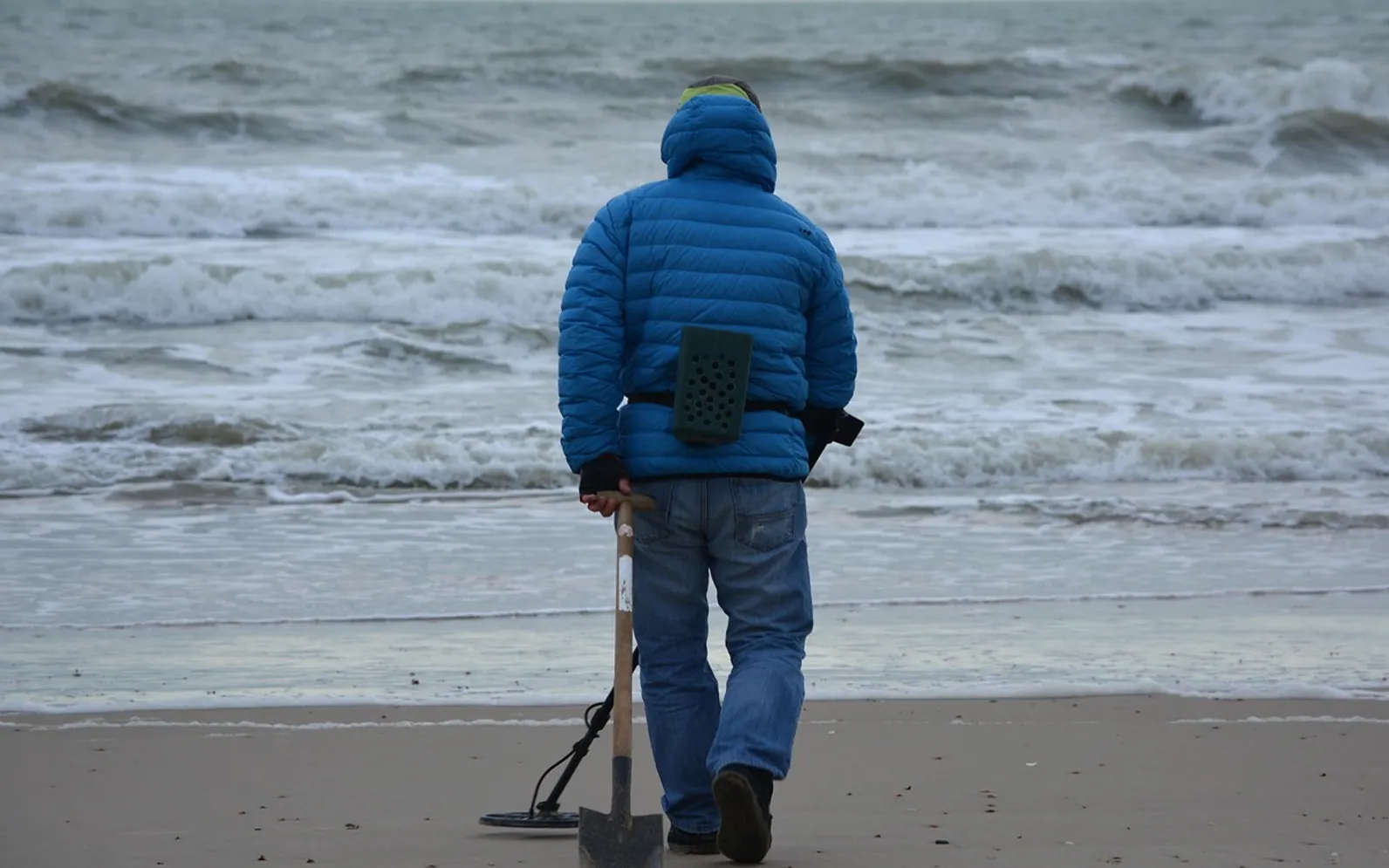
Getting started in metal detecting comes down to three things: a simple, all-round detector, a pinpointer and a hand digger, and written or spoken permission for every place you search. Learn what the machine is telling you in your own garden first, dig small and tidy holes, take your rubbish home and check local rules before you set foot on a beach, park or field. Everything else, from fancy settings to rare coins, comes later.
How a metal detector works
A detector sends a changing magnetic field from the search coil, the flat disc at the end of the shaft. When that field meets metal, the metal responds with a tiny field of its own, which the coil picks up and the control box turns into a sound and often a number on the screen. Two main designs are on the market:
| Type | Strengths | Trade-offs |
|---|---|---|
| VLF (very low frequency) | Light, affordable, good at telling metals apart. The usual choice for parks, fields and dry sand. | Can struggle on wet salt sand and heavily mineralised soil. |
| PI (pulse induction) | Copes well with salt water and difficult ground, often reaches deeper. | Heavier, usually pricier, weaker at separating junk from good targets. |
| Multi-frequency | Runs several frequencies at once, so it adapts to different ground. | More settings to learn and a higher price. |
For a first machine, a VLF detector with a waterproof coil covers most weekend situations.
The settings worth learning first
- Discrimination filters out certain metals, such as iron nails, so they stay silent. Useful, but set it too high and good targets can disappear too.
- Sensitivity controls how strongly the detector reacts. Higher is not always better; near power lines or on mineral-rich soil it can cause constant chatter.
- Ground balance tunes the machine to ignore the minerals in the soil. Many detectors do this automatically.
- Target ID is the number or category on the screen that hints at what is buried. Treat it as a guess, not a promise.
A good exercise is the garden test: lay a coin, a ring pull, a nail and a piece of foil on the grass, sweep over each one and note the tones and numbers. Then bury them a few inches down and repeat.
What to carry
- A pinpointer. A small handheld probe that buzzes when it is close to metal, saving a great deal of digging.
- A hand digger or trowel with a serrated edge for cutting turf.
- A finds pouch with two pockets: one for keepers, one for rubbish.
- Headphones, which make faint signals easier to hear and keep the noise away from everyone else.
- Gloves, water and spare batteries or a charged power pack.
Where you may search
Permission is the heart of the hobby. Rules differ widely between countries, regions and even neighbouring towns, so check before every new site.
- Your own garden is the obvious starting point and a good training ground.
- Private land, such as farm fields, needs the landowner's permission. Agree in advance where you may go and how finds will be handled.
- Beaches are popular, but some are owned privately or managed by authorities with their own rules.
- Public parks may need a permit, may limit digging, or may ban detecting altogether.
- Protected and historic sites, including national parks and scheduled monuments in many countries, are typically off limits.
Many places also require certain finds, especially older objects or anything of archaeological interest, to be reported to the authorities. When in doubt, ask the local council, park office or museum.
How to dig a tidy hole
Good recovery technique is what keeps landowners saying yes. On grass, cut three sides of a small square or a horseshoe shape and fold the plug of turf back on its hinge. Use the pinpointer to find the target in the loose soil, lay the soil on a cloth or mat, and once the item is out, put the soil back, fold the plug down and press it flat. Done well, the spot is hard to find a minute later.
Searching patterns that work
Sweep the coil slowly, low and level, overlapping each pass. Walk in straight lines or a grid rather than wandering. A few patient hours over a small area usually turn up more than a rushed lap of a large one. Promising places tend to be where people have gathered: the edges of old paths, the shade beneath large trees, the area around benches and picnic spots, and the dry sand where beach towels go.
What will you actually find?
Mostly ring pulls, bottle caps, foil and nails, honestly. Bagging that rubbish is part of the hobby, and it leaves the ground cleaner. Among it come coins, keys, buttons, buckles and the occasional piece of jewellery. If something looks like it belongs to someone, such as a ring found near a busy beach entrance, consider handing it in to the local lost-property office.
Is metal detecting a good family hobby?
It suits children well, because every signal is a small surprise. Keep sessions short and let them use the pinpointer. Pair a morning of detecting with one of our family weekend ideas, or treat your own town as new territory with the approach in our staycation ideas. For a more sociable outdoor game on the same weekend, learning how to play pickleball takes about half an hour.
Five rules of thumb
- Always get permission, and keep to what was agreed.
- Fill every hole and leave gates as you found them.
- Carry rubbish out, including the junk you dig up.
- Report finds where the law or the landowner asks you to.
- Be friendly when people ask what you are doing; the hobby's reputation depends on it.
Got a topic idea?
A short note is enough.